Expertly Sourced Los Angeles CA Top Japanese Auto Parts for Import Vehicles
Quality Car Parts: Discover the Perfect Fit for Your Vehicle at Advantageous Prices
Finding top-quality auto parts is key for maintaining a vehicle's efficiency and longevity. Many customers face challenges in sourcing parts that are both fit and affordable. Various factors come into play, such as brand credibility and price review. Understanding these elements can deeply impact the purchase decision. However, exploring options and ensuring the right fit can be tricky. What should one consider when beginning this journey?
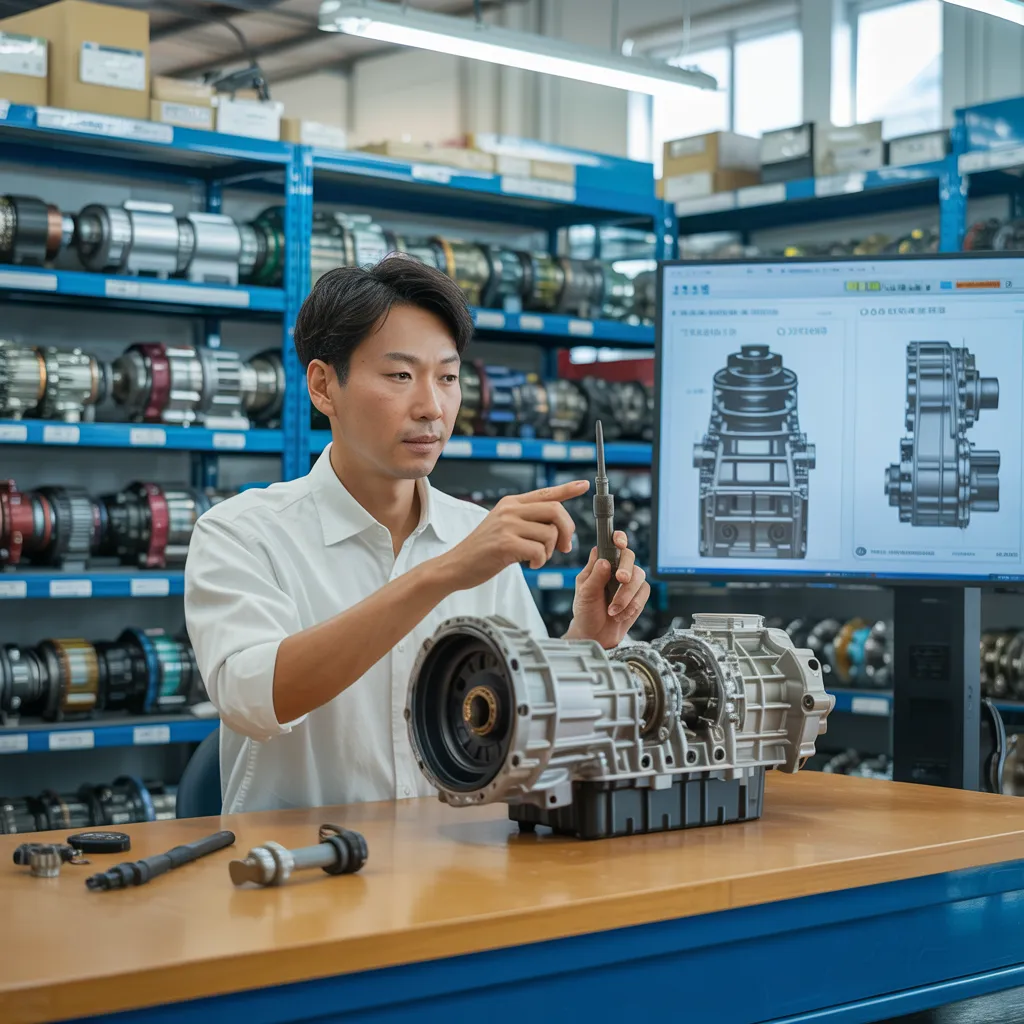
Grasping Your Vehicle's Essentials
What steps can a vehicle owner take to determine the particular requirements of their car? Firstly, it is crucial for the owner to review the vehicle’s owner manual, which contains maintenance schedules and specifications for parts. Keeping an eye on the car’s performance can also reveal insights; unusual noises, vibrations, or warning lights frequently suggest underlying concerns that necessitate attention. Scheduled inspections and diagnostics by a professional mechanic can further identify required repairs or replacements. Moreover, knowing the vehicle's make and model assists in recognizing typical problems related to that type. Owners should also assess their driving habits—regular lengthy trips or heavy cargo might require different components than occasional city driving. Ultimately, blending these methods allows vehicle owners to make smart choices about their car’s specific needs, ensuring peak performance and longevity.
Studying Excellent Auto Parts
When searching for top-notch auto parts, vehicle owners may wonder what factors to emphasize. First, it is important to evaluate the manufacturer's reputation. Established brands often provide reliable components that meet industry requirements. Second, fit with the specific vehicle model is critical. Owners should verify that parts are designed for their make and model to guarantee optimal performance.
Additionally, studying the quality of the material can offer insight into durability and longevity. Parts made from premium materials typically offer improved resistance to wear and tear.
Price is another element; while affordable rates is important, it should not come at the expense of excellence.
Lastly, reading customer comments and gathering tips can offer essential perspectives on performance and reliability. By considering these criteria, vehicle owners can make informed decisions, verifying they select the correct auto parts for their needs.
Online vs. Local Auto Parts Stores
Selecting between online and local auto parts stores can significantly shape the purchasing experience for vehicle owners. Online stores frequently offer a extensive selection of parts, enabling customers to browse several brands and specifications from the ease of their homes. This convenience, combined with the ability to read customer feedback, can support informed decision-making. Moreover, online retailers may provide detailed specifications and compatibility information, simplifying the process of confirming the correct fit.
In contrast, local auto parts locations ensure immediate access to parts, letting vehicle owners to avoid shipping delays. Customers can consult with informed staff, receive individual guidance, and look over parts before purchase. Local stores also meet emergency needs, providing a quick solution for urgent repairs. Ultimately, the choice between online and local stores varies with individual requirements for ease of use, immediacy, and the inclination for personal interaction when obtaining auto parts.
Reviewing Prices and Brands
When reviewing auto parts, customers often assess brand image to determine reliability and operation. Price checking strategies can support locate the best discounts while accounting for the balance of value versus cost. Understanding these elements is necessary for formulating informed purchasing decisions.
Brand Standing Evaluation
How can consumers efficiently handle the myriad of auto parts brands available in the market? Appreciating brand standing is vital in this process. Established brands generally hold a solid history of excellent quality and reliability, offering assurance to consumers. Reviews and ratings from previous customers act as valuable resources for assessing brand trustworthiness. Moreover, industry awards and certifications can enhance a brand's dedication to superior quality. Comparative analysis of different brands identifies variations in material quality, performance, and longevity, important factors impacting overall vehicle maintenance. Conversely, lesser-known brands might provide lower price points but regularly lack the same level of consumer confidence. Ultimately, informed decisions based on brand reputation can lead to improved selections and enhanced vehicle performance.
How to Compare Prices: Tactics
Handling the auto parts market requires not just knowledge of brand reputation but also effective techniques to compare prices. Customers can start with using online comparison tools that collect prices from various retailers, making the process smoother. Furthermore, visiting local auto parts outlets offers first-hand price checks and chances for negotiation. Consumers should also think about subscribing to newsletters or following auto parts retailer social media accounts because discounts and special offers are regularly posted via those channels. Keeping track of seasonal sales events is beneficial since they can provide noteworthy discounts. By applying these strategies, shoppers can make smart choices, making sure to get the best deals on quality auto parts without compromising reliability.
Level versus Cost
Maintaining a balance of quality and cost is key for consumers searching for auto parts. Several brands offer a variety of products, spanning from economical options to high-grade selections, each presenting various levels of durability and performance. Even though lower-priced parts might appear enticing, they often sacrifice longevity and reliability, which can lead to higher important resource replacement expenses. On the flip side, investing in reliable parts can enhance vehicle performance and safety, giving confidence. Consumers are urged to investigate reputable brands and check reviews to grasp the overall value of their purchases. Conducting price comparisons among multiple retailers can also help guarantee reasonable pricing without losing quality. By balancing these factors, consumers can make educated decisions that align with their budget and vehicle needs.
Reading Critiques and Tips
When looking for auto parts, where is the best place to turn for dependable insights? For consumers aiming to make smart decisions, reading reviews and recommendations is necessary. Various platforms, such as online retailers, automotive forums, and social media, provide valuable feedback from fellow vehicle owners. These reviews commonly showcase the performance, endurance, and compatibility of specific parts, offering real-world experiences that help in guiding purchase choices.
Additionally, recommendations from knowledgeable mechanics or automotive experts can better the process of making decisions. They often have firsthand knowledge of which brands and products reliably ensure quality. By bringing together information from several sources, individuals can notice repetitive indicators which may indicate reliability or potential issues.
Securing Proper Assembly and Assurance Alternatives
Although purchasing quality auto parts is essential, ensuring proper installation and comprehending warranty options are just as important parts of the process. Proper installation not only optimizes the performance of the auto parts but also lowers the risk of problems later on. Vehicle owners should consider expert installation, especially for intricate components, since certified technicians possess the skills needed to make sure everything works correctly.
Besides installation, it is necessary to examine warranty options provided by manufacturers or retailers. A solid warranty can offer peace of mind, protecting from defects or premature failure. Buyers should pay close attention to the warranty duration and coverage specifications, as these can vary widely greatly. Understanding the terms helps vehicle owners make educated choices and protect their investment. Ultimately, by prioritizing both installation and warranty considerations, individuals can improve the longevity and reliability of their vehicle's performance.
Frequently Asked Inquiries
How can I know if a part is compatible with my vehicle?
To determine if a part is compatible with a vehicle, one should check the vehicle identification number (VIN), consult the owner’s manual, or use online databases that connect parts with particular vehicle models and years.
Which indicators reveal a failing Auto Part?
Signs of a defective auto part include unusual noises, lowered performance, alert indicators on the dashboard, fluid leaks, and vibrations during operation. Timely detection can prevent further damage and ensure vehicle safety and reliability.
Is It Possible to Use Secondhand Parts Rather than New Items?
Using pre-owned parts is possible, but caution is recommended. They may offer cost savings, yet possible hidden issues could jeopardize vehicle safety and performance. Detailed inspection and reliability verification are crucial before installation.
What is the average lifespan of usual auto parts?
The common life expectancy of typical auto parts differs: brake pads last from 30,000 up to 70,000 miles, batteries around three to five years, and tires usually range from 25,000 to 50,000 miles, depending on usage and maintenance.
Can Aftermarket Parts be as Reliable as the Original Parts?
Aftermarket parts can be as dependable as original equipment manufacturer (OEM) parts, but quality varies substantially. Consumers should research manufacturers, read reviews, and consider warranties to guarantee they choose dependable aftermarket options for their vehicles.